



![Concentré Défroissant [HA]2 Ericson](http://beautyandcurvesparis.com/cdn/shop/files/Line_Correction_Concentre_Defroissant_Packshot-primaire-1.webp?v=1770718275&width=1600)


Veino'Guard Holistica 60 capsules
VEINO'GUARD
WITH EXTRACTS OF HORSE CHESTNUT AND BUTTERHORMN WHICH CONTRIBUTE TO THE MAINTENANCE OF NORMAL VENOUS CIRCULATION
INDIAN CHESTNUT: 80 MG AESCIN.
Butcher's broom: 15 mg saponins-ruscogenin.
WITCH HAZEL.
Horse Chestnut and Little Holly Association
Formulated with extracts of horse chestnut and butcher's broom (selected for their saponin content: aescin and ruscogenin) which support normal venous circulation and help to maintain the normal protection and tone of vein walls in synergy with witch hazel.
A study shows the benefits of butcher's broom extracts combined with horse chestnut phytocomponents for venous comfort in the lower limbs. (Facino et al., 1995)
INGREDIENTS
Horse chestnut extract (seed) (Aesculus hippocastanum), butcher's broom extract (root) (Ruscus aculeatus L.), hypromellose (vegetable capsule), witch hazel (leaf) (Hamamelis virginiana), anti-caking agent: vegetable magnesium stearate.
USAGE INSTRUCTIONS
Two capsules per day: one capsule to be taken with lunch and one with dinner. Do not take if you are taking anticoagulant medication. This product is not a substitute for a varied and balanced diet and a healthy lifestyle. Do not exceed the stated daily dose. Not recommended for pregnant or breastfeeding women.
Components of natural origin
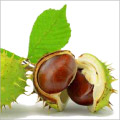
THE HORSE CHESTNUT TREE
This tree, from the Hippocastanaceae family, grows wild along roadsides and in gardens, can live for over three hundred years, and reach a height of 35 meters. The horse chestnut gets its name from the resemblance of its seeds to marrons, a term used to refer to large chestnuts. The seed has long been used in French tradition to support venous circulation. Several scientific studies have highlighted the role of the horse chestnut, particularly in venous circulation. (Sirtori, 2001) This is why HOLISTICA has incorporated an extract, particularly rich in aescin, traditionally used to help maintain normal venous circulation.
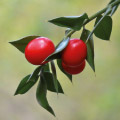
THE LITTLE HOLLY
Also known as butcher's broom, it belongs to the Asparagaceae family. This evergreen shrub, native to the scrublands of the Mediterranean basin, has colonized a vast region stretching from the Azores (off the coast of Portugal) to Iran. The species is protected in the wild. The rhizomes of cultivated shrubs are harvested in the autumn when their red berries are ripe. The rhizome of this plant has long been used to support normal venous circulation. Indeed, numerous publications have highlighted the presence of saponins, particularly ruscogenins, in the rhizome, the role of which has been studied in maintaining normal blood vessels. (Marcelon, 1983; Cappelli, 1988)
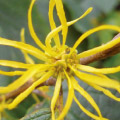
WITCH HAZEL
Witch hazel is a deciduous shrub native to North America, belonging to the Hamamelidaceae family. In English, it is called witch hazel. This plant was used by Native Americans for traditional purposes and was later adopted in herbal medicine by Western colonists.
ESCOP (European Scientific Cooperative on Phytotherapy) and the WHO recognize the use of witch hazel to contribute to the maintenance of normal venous circulation.
Une Question ?
Une Question ?
We are here to help you!
Contact us on 01 44 09 84 34 or fill out the form below:
Couldn't load pickup availability
Suivez nos réseaux !


